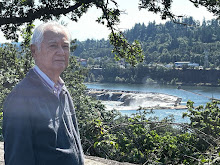

- There was a time, not too long ago when mornings for many seniors began with a newspaper, a cup of coffee, and perhaps a crossword puzzle penciled in slowly, thoughtfully.
Today, for some of us, the day begins with a different kind of companion: Artificial Intelligence.
I recently came across an article titled “I Do Everything with AI Except My Art.” It struck a chord with me, not because I fully agree, but because I recognize the truth quietly unfolding behind it.
A New Kind of Morning Routine
In my own daily rhythm, AI has become something of a silent assistant. It helps me:
- Organize my thoughts when writing blog posts
- Summarize news articles from sources like The Wall Street Journal
- Explore topics I may not have considered otherwise
- Even refine my storytelling for readers across the world
For seniors, especially those of us who have lived through decades of technological change, this is nothing short of remarkable.
We went from typewriters… to word processors… to the internet…
And now, to conversations with machines that can think with us.
The Practical Side of AI for Seniors
Beyond writing, I see how AI is quietly reshaping everyday senior life:
- Health reminders: tracking medications, appointments, and sleep patterns
- Communication: drafting emails or messages to family members
- Learning: exploring new hobbies, from cooking techniques to games like Mahjong
- Memory support: recalling names, events, and even organizing life stories
In many ways, AI acts like a patient companion, never in a hurry, always ready to help. For someone like me, managing a long-term health condition, that kind of support is not just convenient, it is meaningful.
But Then There Is “Art”
And this is where the article makes its stand. “I do everything with AI… except my art.” I understand that deeply.
Because art, whether it is writing, storytelling, or even sharing memories is not just about output. It is about:
- Lived experience
- Emotional truth
- The quiet authenticity of a human life
My blog, which I have nurtured since 2009, is more than content. It is a record of a journey, from my years with the FDA, to the aftermath of 9/11, to the deeply personal reflections I now share as I face the realities of aging.
AI can help me shape the words. But it cannot live the life behind them.
The Balance We Must Learn
For seniors, the challenge is not whether to use AI. It is how to use it wisely, AI can:
- Extend our independence
- Stimulate our minds
- Help us stay connected in a fast-changing world
But we must be careful not to let it replace the very things that define us. Our stories.
Our voices. Our humanity.
A Personal Reflection
As I sit here writing, yes, with the assistance of AI, I am reminded of something simple: Technology may change how we write…but it should never change why we write.
I write to remember. I write to share. I write to leave something behind. And that, no machine can do for me.
Final Thoughts
So perhaps the statement is not a rejection of AI, but a declaration of identity. Use AI for the tasks. Keep the art for yourself.
Because in the end, it is not efficiency that defines a life well lived. It is meaning. in a fast-changing world. But we must be careful not to let it replace the very things that define us. Our stories. Our voices. Our humanity.

- The Loss of "Soul" and Intent: Critics argue that AI art lacks the intentionality, lived experience, and emotional depth that human beings bring to their work.
- Ethical Concerns: Many artists refuse to use AI image generators because they are trained on massive datasets of artwork scraped without consent.
- Authenticity and Value: While AI can generate images quickly, it is viewed by many as a "gray blob" or a form of high-tech collage, lacking the skill and personal journey of traditional or human-led digital art.
- Protecting Human Worth: There is a strong feeling that art is the final frontier of human expression that should be protected, and that replacing it with machines devalues human life and experience.


No comments:
Post a Comment