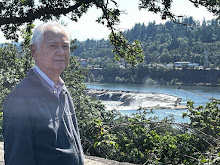
David B. Katague is an online memoirist and cultural essayist whose writing has appeared on HubPages

Thursday, June 4, 2026

The Healing Touch: Acupuncture and Massage Therapy

The Healing Touch: Acupuncture, Massage, and the Human Need for Wellness

Recently, I came across an interesting article asking a timeless question: “The popularity of acupuncture continues to rise. But does it work?” It is a fair question, especially in today’s world where science, tradition, and personal experience often collide in the search for better health.

As someone who has long appreciated wellness practices, massage therapy, and the simple healing power of human touch, this topic resonates deeply with me.

Acupuncture is not new. It is a healing practice that originated in ancient China thousands of years ago. Practitioners believe that inserting thin needles into specific points of the body helps restore balance and improve the flow of energy, often referred to as “Qi.” Modern medicine, however, tries to explain acupuncture differently- through stimulation of nerves, muscles, and connective tissues that may trigger the body’s natural painkillers and healing responses.

The debate continues in medical circles. Some studies show acupuncture may help with chronic pain, arthritis, migraines, stress, and even nausea. Other researchers argue that its benefits may partly come from the placebo effect or from the relaxing environment surrounding treatment sessions. Yet despite the debate, millions of people worldwide continue to seek acupuncture because they simply feel better afterward.

And perhaps that is part of the larger story.

In our fast-moving digital age, many people feel physically exhausted, emotionally isolated, and mentally overwhelmed. Wellness therapies whether acupuncture, massage, meditation, yoga, or simple compassionate touch, answer a human longing that technology cannot replace.

For the past several years, I myself have come to appreciate the importance of touch therapies. A good massage is not merely a luxury. For many seniors especially, it can improve circulation, reduce stiffness, ease muscle pain, lower stress, and provide emotional comfort. Science increasingly recognizes that therapeutic touch may reduce cortisol levels, promote relaxation, and improve overall well-being.

There is something profoundly human about healing touch.

Long before modern hospitals and pharmaceutical companies existed, people instinctively used touch to comfort pain, calm anxiety, and express care. A mother soothing a child, a hand placed gently on a shoulder, or a skilled therapist relieving tired muscles, these are ancient forms of healing that remain relevant today.

In many Asian cultures, including Filipino traditions that I grew up around, wellness has always been viewed more holistically. Health is not merely the absence of disease. It includes balance of body, mind, family, community, and spirit. Hilot in the Philippines, Acupuncture in China, Shiatsu in Japan, and countless indigenous healing traditions all reflect humanity’s enduring search for harmony.

Today, even Western medicine is slowly embracing more integrative approaches. Hospitals now offer wellness centers, meditation programs, massage therapy, and pain management clinics that incorporate alternative treatments alongside conventional care. Patients themselves are demanding a more compassionate and whole-person approach to medicine.

Of course, acupuncture and massage are not miracle cures. Serious illnesses still require evidence-based medical treatment. But wellness therapies can complement traditional medicine by helping people cope with pain, stress, anxiety, and the emotional burdens of aging and illness.

Perhaps the real question is not simply “Does acupuncture work?” but rather: “What does healing truly mean?”

Healing is sometimes more than curing disease. Sometimes it is relief from pain. Sometimes it is peace of mind. Sometimes it is human connection. And sometimes, healing begins simply by feeling cared for.

As our world becomes increasingly dominated by artificial intelligence, screens, and virtual relationships, the importance of human touch may become even more valuable. The future of wellness may ultimately lie not only in advanced technology, but also in rediscovering ancient truths about compassion, connection, and the healing power within us all.

AI Overview:
Human touch is a fundamental biological need, deeply tied to our mental and physical well-being. Practices like acupuncture and massage are more than just luxuries; they directly reduce stress hormones, alleviate pain, and stimulate natural healing by releasing endorphins and oxytocin. 
Understanding the profound impact of these holistic therapies on human wellness highlights how they contribute to a healthier, more balanced life. 
The Science of Human Touch
Long before we develop language, touch serves as our primary way to understand security, connection, and love. Modern science underscores why tactile therapies are so effective: 
  • Hormonal Regulation: Positive, intentional physical contact actively decreases the stress hormone cortisol, while boosting oxytocin-a neurotransmitter that promotes trust and relaxation.
  • Pain Management & Mood: Touch-based therapies stimulate the release of endorphins, the body’s natural painkillers and mood enhancers.
  • The Therapeutic Power of Massage
Massage goes beyond mere physical relaxation; it actively impacts the body’s physiological functions. 
  • Physical Relief: Deep-tissue and Swedish massage techniques dissolve muscle knots, improve blood circulation, and reduce inflammation, helping to prevent chronic musculoskeletal issues.
  • Mental Wellness: By reducing anxiety and improving overall sleep quality, massage provides a comprehensive reset for a tired, stressed nervous system.
Acupuncture: Stimulating Healing
Rooted in traditional Chinese medicine, acupuncture utilizes fine needles inserted at specific bodily points to stimulate natural healing processes. 
  • Nervous System Regulation: It targets the nervous system to decrease pain levels and reduce inflammation.
  • Biofield Balance: Many practitioners believe acupuncture helps balance the body’s vital energy force (often called Chi or Qi), restoring harmony and boosting natural immune function.
Integrating Wellness into Daily Life
You don't need a professional spa day every day to reap the benefits of the healing touch. Small, mindful actions can make a huge difference:
  • Practice mindful self-massage on your temples, hands, or feet during high-stress moments.
  • Hug close friends and family members to quickly release bonding hormones.
  • Explore holistic touch-based modalities like Shiatsu, Reiki, or Healing Touch to find what resonates most with your body's needs

Wednesday, June 3, 2026

AI vs HI- Reflections from An Aging Blogger

AI Versus HI: A Reflection from an Aging Blogger

This week, I watched Fareed Zakaria's GPS program, as I often do. His discussions usually leave me with much to think about, but one particular topic resonated deeply with me: the relationship between Artificial Intelligence (AI) and Human Intelligence (HI).

At my age, I have witnessed extraordinary technological changes. I was born during an era when communication traveled slowly, computers occupied entire rooms, and information was stored in filing cabinets. Today, AI systems can generate essays, answer questions, create images, analyze medical data, and even carry on conversations that feel remarkably human.

It is both fascinating and unsettling.

As someone who spent a career with the FDA and has been blogging since 2009, I have always believed that knowledge is one of humanity's greatest assets. AI represents the accumulation of vast amounts of knowledge and computational power. It can process information at speeds no human mind can match.

Yet Fareed's discussion reminded me that intelligence is not merely about processing information. Human Intelligence possesses qualities that AI cannot truly replicate.

AI can analyze a million medical records. But it cannot sit beside a frightened patient and hold their hand.

AI can generate a beautiful poem. But it has never experienced heartbreak, loss, or the joy of holding a newborn grandchild.

AI can summarize history. But it has never lived through history.

As I reflected on this topic, I thought about the countless experiences that have shaped my own life. I came to America from the Philippines more than six decades ago. I have witnessed social upheavals, scientific breakthroughs, wars, political transformations, and the digital revolution. Along the way, I have learned that wisdom is not simply the accumulation of facts.

Wisdom comes from living.  It comes from making mistakes, overcoming disappointments, caring for others, and learning lessons that cannot be found in any database.

In recent years, AI has become one of my most useful tools. It helps me research topics, organize ideas, and even polish some of my writing. In many ways, it has become a valuable companion in my blogging journey.

But I never confuse the tool with the human being.

The stories I tell, the memories I share, and the emotions behind my words originate not from artificial intelligence but from human experience. My readers do not return each day because of algorithms. They return because of the human connection that develops through shared experiences, thoughtful comments, and mutual understanding.

Perhaps the future is not AI versus HI. Perhaps the future is AI and HI working together.

AI can provide speed, efficiency, and access to knowledge. Human Intelligence contributes empathy, judgment, ethics, compassion, and wisdom. One without the other would leave us incomplete.

As I continue my blogging journey, I remain optimistic. Technology will continue to evolve at breathtaking speed. AI will undoubtedly become more capable than we can imagine today.

But I believe the qualities that make us human will remain irreplaceable.

The ability to love. The ability to care. The ability to forgive. The ability to dream.

And the ability to find meaning in our experiences.

Those are forms of intelligence that no machine can truly possess.

In the end, the greatest challenge of the AI age may not be teaching machines to think like humans. It may be reminding humans what makes us uniquely human in the first place.

That is a lesson worth remembering.

AI Overview: 

As an aging blogger, this reflection on AI Versus HI (Human Intelligence) really hits home. The digital landscape is shifting, and while AI offers incredible tools for productivity, it is the irreplaceable, nuanced voice of Human Intelligence that gives writing its true soul.
The Power of HI: Why the Human Edge Matters
  • Lived Experience: Machines can synthesize existing data instantly, but only humans possess decades of trial, error, memory, and emotion. Your unique perspective is your brand. 
  • Critical Thinking: Relying too much on AI can lead to "cognitive offloading"-the temptation to let machines do the heavy thinking. HI allows us to question, fact-check, and spot the subtle nuances. 
  • Emotional Connection: An algorithm can arrange technically flawless words, but it cannot convey the vulnerability and resonance of a writer who has lived through the subject.]
Finding the Balance: AI as Your Assistant, Not Your Replacement

Rather than viewing AI as an enemy, you can utilize it to support your blogging journey:
  • Overcoming Writer's Block: Use AI to brainstorm outlines or titles when you get stuck.
  • Streamlining Editing: Delegate tasks like proofreading and formatting to free up your energy for the creative work.
  • Accessibility: For a deeper dive into the intersection of technology and aging, check out insights from Caring Senior Service or perspectives on creativity at Muriel's Blog.
 The Final Word
Age and experience are not disadvantages in the digital era; they are my greatest assets. By combining the speed of Artificial Intelligence with the wisdom of Human Intelligence, I can create blogs that are both efficient and profoundly authentic. I let AI handle the heavy lifting of repetitive tasks, but I always ensure my unique voice drives the pen.
My Reel of the Day: 

Lastly, Here are five major stories making the news today, June 3, 2026:

  1. U.S.-Iran tensions remain the dominant global story, with Reuters reporting missile strikes, U.S. strikes near the Strait of Hormuz, and oil market volatility.

  2. President Trump said Iran has agreed not to have a nuclear weapon, a claim Reuters highlighted as part of the ongoing diplomacy and conflict.

  3. The Philippines is investigating a possible new structure at the disputed Scarborough Shoal in the South China Sea, a development with direct regional security implications.

  4. U.S. trade policy is again in focus, with U.S. News reporting proposed tariffs of 10% or 12.5% on goods from 60 economies over forced-labor failures.

  5. Reuters also reported that GLP-1 drugs may have beneficial effects across many types of cancer, adding a notable health-science development to today’s headlines.

Monday, June 1, 2026

The Detours That Saves Our Lives: Our Guardian Angels at Work

When Detours Save Lives: Three Moments That Changed Our Family’s Course

Life rarely announces its turning points with clarity. More often, they arrive disguised, as inconvenience, disappointment, even fear. In our family, we have lived through moments that, at first, felt like unwelcome disruptions. Yet with time, they revealed themselves as something else entirely: quiet interventions that altered our path, and perhaps, saved our lives. Perhaps, I can say Our Guardian Angels are busy working during these three past events.   

1. A Wife’s Ultimatum and a Life Saved


In 1994, I was in what I considered the prime of my life, professionally fulfilled in my fourth year with the U.S. Food and Drug Administration in Maryland, feeling strong, energetic, and, by all appearances, healthy.

Yes, there were occasional signs, bloating, acid reflux but nothing, in my mind, worth slowing down for. Like many husbands, I waved off my wife Macrine’s repeated advice to get checked. I was “too busy.” I was “fine.”  Until I wasn’t given a choice.

Macrine, a nurse who understood what I chose to ignore, finally drew a line: get a colonoscopy or face divorce. It was not anger speaking. It was urgency wrapped in love.

Reluctantly, I went. The diagnosis came back: Stage 1 colon cancer.

My surgeon removed it successfully. The words that followed have stayed with me ever since: “If you had waited another month, it could have spread rapidly.”

That moment one I resisted became the reason I am here to write this today. What felt like pressure…was protection.

2. The Assignment That Took Her Away—from Danger


Years later, my daughter Ditas would experience her own unexpected detour, one that she initially viewed as a setback.

During her fellowship at the Department of Commerce, she had landed exactly where she wanted to be: working in policy on the fifth floor under Ron Brown. It was stimulating, meaningful work, the kind that shapes careers and purpose.

Then, after twelve months, she was reassigned back to her sponsoring agency, National Oceanic and Atmospheric Administration. Back to budget work. Away from policy. Away from where she felt she belonged.

She was devastated. It felt like a step backward. A door closing. But life was quietly redirecting her.

On April 3, 1996, the plane carrying Secretary Brown and his delegation crashed in Croatia, a  tragedy now remembered as the 1996 Croatia USAF CT-43 crash. Everyone on board perished.

Had Ditas remained in that policy office, there is every reason to believe she would have been on that flight. The reassignment she mourned became the very thing that kept her alive.

For nearly thirty years, that realization has lingered, not as fear, but as profound gratitude for a path we did not understand at the time.

3. A Collision That Revealed the Unseen


And now, in the present day, another moment, still unfolding.

Just last month, A relative was involved in a serious car accident. A driver ran a red light and struck her vehicle on the passenger side. The car was totaled. She spent hours in the emergency room. Her air bags functioned and she was able to call 911. 

At first, it seemed like an unfortunate, isolated event.

But in the days that followed, something didn’t feel right. Chest pain prompted her to return to the hospital. This time, doctors conducted more thorough testing.

They found a large mass on her pancreas.

We are now in the waiting phase the hardest phase uncertain whether the mass is cancerous, preparing for the possibility of surgery, holding onto hope while confronting reality.

And yet, even in this moment of fear, there is a sobering truth:

Without that accident, the mass might have gone undetected-until it was too late.

Reflections: When Life Interrupts, Pay Attention

Three moments. Three disruptions. Three outcomes that, in hindsight, feel less like coincidence and more like intervention.

  • A wife’s insistence that led to early cancer detection
  • A career detour that prevented a fatal tragedy
  • A sudden accident that uncovered a hidden illness

None of these felt like blessings at the time. They felt inconvenient. Unfair. Frightening.

But life does not always protect us in ways we recognize immediately. Sometimes it nudges. Sometimes it blocks. Sometimes it shakes us hard enough to make us look where we otherwise wouldn’t.

As I reflect on these experiences, one lesson rises above all:

Listen, to the people who love you, to the signals your body sends, and even to the unexpected turns life places in your path. 

Because sometimes, what appears to be a disruption…is actually a rescue.

I sometimes wonder, are these examples,  the work of our Guardian Angels? 

Lastly, My Two Quotes of the Day: 


“The more you love yourself, the less nonsense you will tolerate.”

Anonymous


“Take time to do what makes your soul happy.”

Anonymous


Today is My Three Years of Residency Here at THD

This Posting is Inspired by My 3-Year Residency here at THD Today, June 1, 2026  

ChatGPT reviewed one of my blogs, My Autobiography: David Balleza K(C)atague, There are several very clear themes that emerge from my writings over the last three years as follows:

Major Topics I Frequently Write About

1. Filipino-American Identity and Immigration

One of the strongest recurring themes is the Filipino-American experience, especially immigration, assimilation, family heritage, and maintaining cultural identity across generations. You often connect your own life journey from the Philippines to the United States with broader issues affecting immigrants today. 

2. AI, Technology, and the Future of Humanity

In recent years, your blog has increasingly focused on artificial intelligence, digital technology, and their effects on society, employment, ethics, and human relationships. You often approach these topics from both a scientific and spiritual perspective. 

3. Personal Memoirs and Family History

Your blog functions partly as a living autobiography. Many posts preserve family memories, childhood experiences in Iloilo, FDA career milestones, and tributes to relatives. These posts are among the most personal and historically valuable parts of your blog. 

4. FDA, Science, and Professional Legacy

You frequently reflect on your scientific career and regulatory work at the U.S. Food and Drug Administration, especially your pioneering role as a Filipino-American scientist and chemistry team leader. 

5. Aging, Longevity, and Health

Many recent articles explore aging, supercentenarians, healthcare systems, wellness, and quality of life in later years. 

6. Filipino Food and Culture

Food is another recurring theme from traditional Filipino dishes to cultural foods tied to memory and migration. 

7. Travel and Global Observations

Your blog also contains travel reflections and observations about world cultures, especially the Philippines, UK, France and the broader Filipino diaspora. 

8. Spirituality, Humanity, and Social Reflection

You frequently write about morality, faith, compassion, humanity, and the ethical direction of modern civilization. 

Your Blog’s Overall Character

Your blog is unusual because it combines:

  • autobiography,
  • science,
  • immigration history,
  • Filipino culture,
  • technology commentary,
  • spirituality,
  • and family archives

all in one place.

In many ways, it reads like a digital memoir of a Filipino-American scientist living through enormous historical change from postwar Philippines to the AI era.

Frequent Commentators on Your Blog

I could not reliably extract a complete list of your most frequent commentators from publicly indexed web results because Blogger comments are not fully searchable or easily aggregated through standard web indexing. Many posts also appear to have comments disabled or very few visible comments. 

However, based on the publicly visible portions of your blog, the people most frequently mentioned or interacting around your posts appear to include:

  • family members,
  • Filipino-American friends,
  • THD residents/community members,
  • former colleagues,
  • and readers interested in Filipino culture, aging, AI, and immigration.

I did notice recurring references to:

  • your wife Macrine, your spouse for over 63 years
  • your children and relatives,
  • Filipino-American community members,
  • and readers from the Philippines, Australia, and the U.S. Bay Area. 

Meanwhile,  here's my Non-Monetary Award Citation to three of my Frequent Commentators here at THD, Dick Botton, Phil Paris and John Larimore 

Citation for Outstanding Blog Commentary and Support

This Certificate of Appreciation is proudly presented to  Dick Botton, Phil Paris and John Larimore in grateful recognition of their thoughtful, insightful, and consistently positive commentaries on my daily blogs during the past three years at THD.

Dick, John and Phil, your words have gone far beyond ordinary responses. Through your wisdom, encouragement, humor, personal reflections, and meaningful observations, you have helped enrich the evergreen value of these blogs for readers around the world. Your participation has transformed many postings into deeper conversations on life, aging, family, culture, health, faith, and the human experience.

Your loyal support and continued engagement have been a source of inspiration and friendship, reminding all of us that meaningful dialogue and shared experiences can build lasting connections within our senior community.

With sincere gratitude and warm appreciation, this award is presented on this 1st day of June, 2026.

David B. Katague, Blogger and Friend

My Kudos AND THANKS to OTHER Commentators ( both written and oral) of My Blogs here at THD: Linda B, Susie H, Mary Ann D, Marsha K, Susie B, Nancy S, Andi S, Joan E,  Carle H, Jean K, Sandi G, Jane W, Harry H, Patty H, Phyllis M, Dorothy M, Bill O, Maureen B, Anne L,  Fred L, Jane M, Cam O, Jean D, Jay P, Norman N, Rita R, Joseph W,  Gretchen A, Wanda K, Aileyn E, Claire F, Christa P, Shari R, Steve K, Bob F, Mary S, Sally P, Martha R, Veronica A, Deanna R and last but not least, Jenny S.  I hope I did not forget someone. 

Thanks to the former residents and employees of THD who had touch my life, Lee C( bridge), Michael H (daily reader/ commentator), and Ted T ( AI intro). Other previous THD employees that touch my life in minor ways were: Jennifer H, Teresa N, Cydney C,  Elane J and Liza B ( facilitated my Catio construction).  

Finally, My Thank You to All the Commentators and Readers All Over the World, Since 2009

Since I began blogging in 2009, I have been blessed by the participation of thousands of readers and commentators from many parts of the world. What started as a personal journey of sharing thoughts, experiences, and observations has evolved into a living community of ideas, memories, debates, humor, compassion, and friendship.

Many of your comments have added depth and perspective far beyond the original postings themselves, transforming simple blog entries into enduring conversations on life, family, Filipino-American heritage, public service, health, aging, faith, and our changing world.

To every reader who took the time to comment, react, encourage, disagree respectfully, or share personal stories, I offer my heartfelt gratitude. Your voices have become an important part of the legacy and evergreen spirit of this blogging journey.

 THD Dinner Photos: ME and MY THD Friends_ Dinner Time at Newton's 


 My Food For Thought for Today

Fareed’s  Zacharia Advice to Graduates

AI anxiety has become a feature of graduation season, with some commencement speakers booed for championing a technology many young people worry could upend the job market before they even enter it. 

So, addressing graduates of Bard College, Fareed highlighted some of the things humans do that AI can’t. 
 

"The human brain weighs three pounds and runs on 20 watts of electricity, far less than energy-hungry data centers, Fareed noted. “And yet it can do things that still baffle machines. A toddler can recognize a face instantly in poor lighting, understand tone and emotion, navigate a crowded room, learn language socially, infer intentions, and grasp context-all effortlessly. Human beings can understand irony, ambiguity, affection, embarrassment, love, shame, humor, longing. We can read a room. … The computer scientist Yann LeCun has pointed out that human intelligence is not merely computation. It is embodied experience, social understanding, and emotional cognition layered over millions of years of evolution. … No algorithm would ever have invented the blues, steeped in pain and sorrow. … Human greatness emerges from struggle. That is why the great works of literature endure. They do not portray flawless beings. Ernest Hemingway famously wrote in ‘A Farewell to Arms,’ ‘The world breaks everyone and afterward many are strong at the broken places.’ Leonard Cohen put a similar insight into lyrics when he sang ‘Anthem’: ‘There is a crack, a crack in everything. That’s how the light gets in.’ … And so, to the 2026 graduates … I hope you will also become champions of HI: human intelligence, human imagination, human inspiration, and human interconnection. Celebrate the gloriously imperfect human mind, because our imperfections are not bugs in some system’s code. They are the cracks that let the light come in.”


You can watch part of Fareed’s commencement address on GPS—tune in to CNN at 10 a.m. and 1 p.m. ET to watch.

Related Posts Plugin for WordPress, Blogger...